
 Media Center
Guilin pomelo jars, a traditional craft dating back to the Ming Dynasty (1368–1644), hail as a pearl of Guangxi's natural lacquerware art and earned a spot on the autonomous region-level intangible cultural heritage list in 2020.
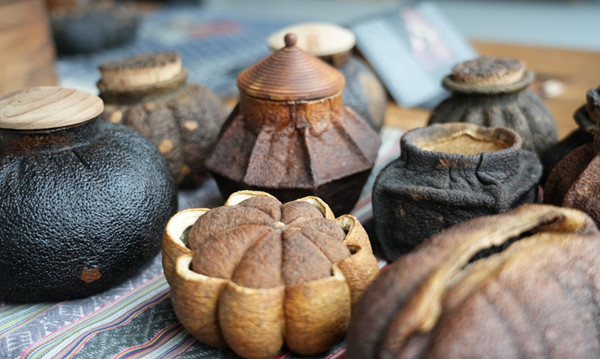
The pomelo jars vary in shape and each boasts distinct features. [Photo/Guangxi Daily]
For generations, these elegant jars have been used to store tea and dried fruits in northern Guangxi, embodying the local tradition of treasuring discarded materials.
Wang Boyang, a representative inheritor of the craft, has breathed new life into this age-old tradition. He refined the cumbersome 60-plus traditional production steps into 12 core procedures, while preserving the essence of patience.
The key lies in the initial curing process: fresh pomelo peels must be aged in a dry, well-ventilated warehouse for at least two years to remove excess moisture, a critical step to prevent deformation and cracking.
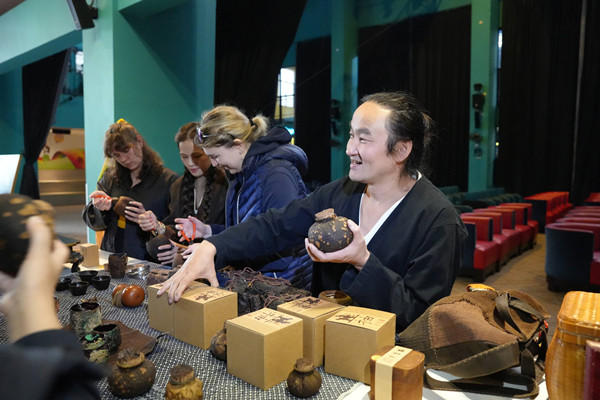
Wang shares the stories behind pomelo jars with the travel influencers of "Next Station, Guangxi". [Photo provided to en.gxzf.gov.cn]
The most demanding steps are kneading and edge-folding. Wang spent seven years developing a slow kneading technique, steaming the aged peels and then pressing them for days to rearrange the fibers and form the jar's basic shape.
The final touch is the signature double-layered rim, a unique feature made possible by the Shatian pomelo's long neck and flexible peel, which distinguishes Guilin's jars from similar products elsewhere.
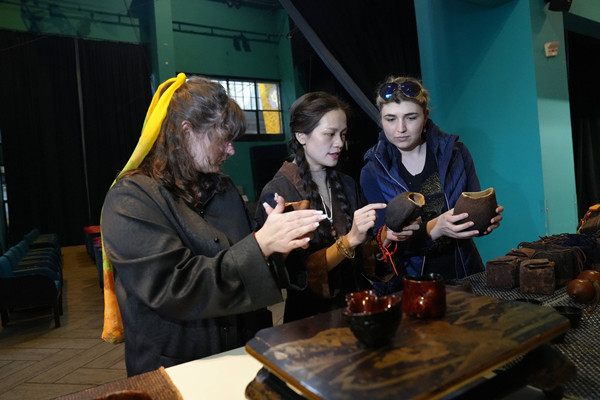
Influencers learn how to make pomelo jars. [Photo provided to en.gxzf.gov.cn]
Today, this traditional craft has gone global. Guilin pomelo jars are sold in major Chinese cities like Beijing and Shanghai and exported to countries including the US and Singapore, meeting the growing global demand for natural aesthetics and artisanal craftsmanship.
Yanshan district now produces 20,000 jars monthly, achieving an output value of 40 million yuan ($5.6 million) in 2024. Wang has also been teaching the craft via live stream, training over 1,000 local youth. His workshop welcomes over 10,000 visitors annually, including ASEAN tour groups, sharing this piece of Guangxi's cultural heritage with the world.