 Media Center

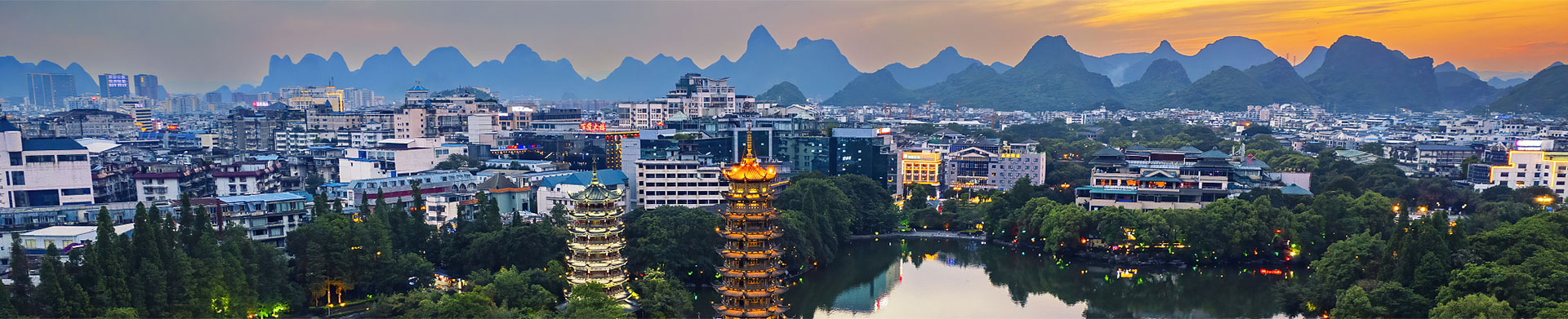
For the city of Guilin, in Guangxi Zhuang autonomous region, the event offered a chance to showcase the city's culture and tourism resources to visiting athletes. More than 1,000 matches unfolded across the Guilin International Conference & Exhibition Center and Shanshui Park, with the venues hosting a near-continuous stream of sporting action. CHINA DAILY
Where sports meet tourism
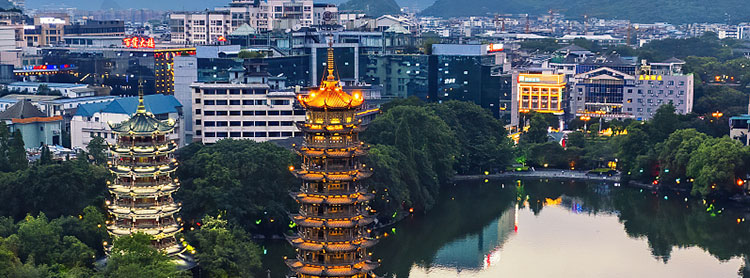
For Guilin, the event offered a chance to showcase the city's culture and tourism resources to visiting athletes. The municipal government provided free entry to 20 scenic attractions for participants, allowing them to experience the landscapes that define the city's identity.
This is the second consecutive year Guilin has hosted the Finals.
For Guangxi, the event is seen as a catalyst for developing its sports industry and encouraging local tourism.
Li Ning, a Guangxi native, said returning home for the event felt especially meaningful. Pickleball, he noted, carries both athletic value and lifestyle appeal.
"We hope the event brings honor to players, their teams, their clubs and their cities," he said. "Sports also create cultural and lifestyle products that bring joy to everyone."
The Finals were accompanied by a series of cultural programs that extended the event's spirit into the community. A sports fashion show — with professional models and appearances by Beijing pickleball star Cai and former Li-Ning Cup singles champion Zeng Yongliang — highlighted both athletic apparel and Guangxi's distinctive ethnic costumes. The public presentation of the Team China awards outfit for the 2026 Winter Olympics drew particular attention.
A bustling market featuring more than 60 local businesses showcased handmade crafts, regional foods, embroidery, 3D-printed souvenirs and vintage postcards, offering athletes and residents a relaxed gathering place after matches.
Mascot-themed cultural products also proved popular, while newly released commemorative stamps added to the event's collection of keepsakes.
As the last match ended and the crowds drifted away, one thing was clear: pickleball in China is no longer an emerging pastime, but a sport entering its stride — one capable of linking cities, cultures and communities on a national scale.